Whole-person Dementia Care Models in Charlotte
In Charlotte, holistic dementia care approaches emphasize the person in their entirety, acknowledging the interplay of mental, emotional, social, and bodily needs. This approach promotes innovative therapies and strong neighborhood assistance systems. Relatives play a vital role in this framework, enhancing care through education and collaboration. As these practices develop, they raise important see here questions about their effectiveness and the prospects of dementia care. What innovative approaches might further enrich the lives of those impacted?
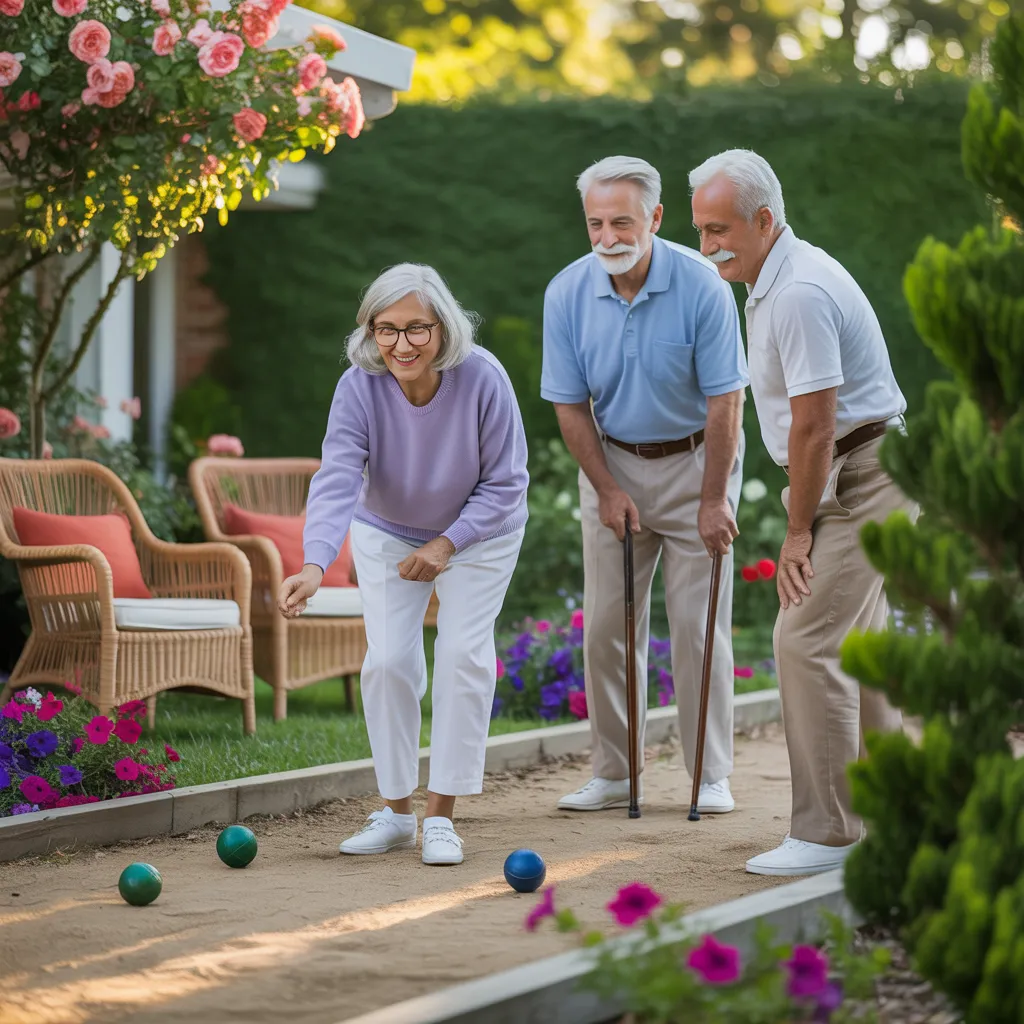
The Significance of Holistic Methods in Dementia Support
Although conventional medical methods concentrate mainly on addressing symptoms, comprehensive wellness recognizes the intricate needs of dementia patients. This method emphasizes treating the person as a whole, addressing not only cognitive decline but also emotional, social, and physical well-being. By integrating methods such as art therapy, music therapy, and mindfulness, comprehensive wellness fosters a nurturing setting that enhances quality of life.
Holistic care also encourages deep connection with support systems and loved ones, promoting deeper bonds that can reduce feelings of isolation. It acknowledges the importance of routine and familiar surroundings, which can minimize disorientation and worry for dementia patients. Additionally, addressing physical wellness and nutritional requirements plays a essential role in overall well-being. Through a comprehensive all-encompassing framework, holistic care empowers patients, helping them maintain dignity and autonomy in their daily lives. Ultimately, this varied multifaceted approach enhances the experience of those affected by dementia, making it an important significant aspect of their care.
Building Connections: Support Networks for Alzheimer's Support in Charlotte
Fostering a strong collective around Alzheimer's services is required for boosting the lives of individuals and their kinfolk. In Charlotte, diverse aid systems have materialized to confront the particular issues tied to dementia. Local institutions, such as the Alzheimer's Association, present resources, learning, and advocacy, nurturing a bond of community for both care attendants and individuals.
Community centers frequently host support groups where families can exchange stories, obtain understanding, and discover emotional comfort. These meetings not only alleviate feelings of isolation but also create a platform for sharing useful care approaches.
Additionally, partnerships between medical professionals and community organizations are crucial in ensuring that individuals obtain thorough support. By involving local volunteers, Charlotte's dementia care community cultivates an environment of empathy and awareness. Such networks empower households with the resources necessary to manage the challenges of dementia, reinforcing the significance of community in comprehensive care models.
Examples of Innovative Therapies for Dementia Patients
Pioneering interventions for dementia patients are redefining the scope of care, providing new routes for engagement and progress in quality of life. One significant approach is therapeutic music, which has shown exceptional efficacy in sparking memory recall and emotional expression. This therapy draws upon the power of nostalgic tunes to evoke memories and build connections, often producing enhanced mood and lessened anxiety.
Art intervention functions as another effective strategy, permitting patients to express themselves creatively, which can improve cognitive function and emotional well-being. Additionally, reminiscence therapy encourages patients to participate in their past through photographs and personal stories, promoting social interaction and cognitive stimulation.
Animal-assisted therapy brings pets into care facilities, supplying comfort and togetherness, which can reduce feelings of loneliness. Finally, virtual reality encounters offer immersive environments that can enhance cognitive activity and provide a sense of adventure, improving the daily lives of dementia patients.
Including Families in Dementia Care
In addition, effective interaction between healthcare providers and families can mitigate feelings of isolation and anxiety. Furnishing families with resources, including support groups and counseling, further strengthens their ability to cope with the challenges of dementia. This engagement not only benefits the patient but also promotes a sense of community among caregivers. Ultimately, involving families in the care process results in a more holistic approach, ensuring that both emotional and physical needs are addressed, thereby improving overall quality of life for individuals living with dementia.
New Directions in Unified Dementia Management in Charlotte
Charlotte is noticing a movement towards holistic dementia care that focuses on personalized therapy and emotional well-being. This emerging pattern emphasizes customized care plans that address the unique preferences and choices of each individual. Providers are progressively adopting alternative therapies like music and art therapy, recognizing their potential to enhance mental performance and emotional stability.
Furthermore, the addition of local community support cultivates social engagement, reducing feelings of isolation among those with dementia. Family involvement is also being emphasized, with support groups and educational workshops structured to empower family members providing care and optimize the family system's health.
Telehealth programs are expanding, permitting families to access specialized services and resources from the comfort of their homes. As Charlotte continues to embrace these integrated approaches, the focus remains on developing nurturing environments that strengthen both bodily wellness and psychological resilience for those experiencing dementia.
Frequently Asked Questions
What Costs Are Tied to Integrated Memory Loss Services in Charlotte?
Fees related to holistic dementia care can vary extensively, often ranging from $1,500 to over $5,000 per month, relying on services offered, category of facility, and tailored care plans designed for specific needs and interests.
What Guidelines Should I Take to Identify a Complete-Care Specialist for Dementia?
To select a comprehensive care specialist for dementia, one should evaluate credentials, request recommendations, assess personalized care plans, and guarantee alignment with family values. Touring facilities and reviewing approaches can also offer valuable insights.
Are Targeted Dietary Recommendations Suggested for Dementia Patients?
Dementia patients frequently benefit from a Mediterranean-style eating plan that features fruits, vegetables, whole grains, healthy fats, and lean proteins, plus proper hydration and limited processed sugars, which aids in maintaining cognitive health and general well-being.
What Importance Does Physical Activity Serve in Holistic Dementia Support?
Physical exercise offers an critical role to comprehensive dementia care by enhancing cognitive function, enhancing mood, and promoting physical health. Persistent exercise can help maintain independence and lessen behavioral symptoms, ultimately benefiting overall quality of life.
In What Ways Can I Advance Holistic Care Approaches in My Community?
To push for holistic care options, people can coordinate community meetings, disseminate informational materials, engage local healthcare providers, and raise awareness through social media campaigns, developing a compassionate setting for thorough dementia care initiatives.